

”We Are Our Own Normal”: Young People Share their Experiences with Neurodiversity
For Neurodiversity Celebration Week, we asked young people connected to 1625 Independent People to share what being neurodivergent means to them.
Neurodiversity recognises that people experience and interact with the world in different ways. For many young people, it can shape how they learn, communicate, manage everyday tasks, and understand themselves.
Through their reflections, young people shared honest insights into the challenges, strengths, and realities of being neurodivergent.
Their experiences show that neurodiversity isn’t one story, it’s many.
“I’m not lazy, some things just take more energy”
One young person shared how everyday tasks can feel much harder than they appear to others.
They described the frustration of wanting to do something, like studying or completing chores, but feeling unable to follow through.
“I’m not being lazy or using it as an excuse. I do actually find normal tasks hard because of so many things that affect my brain.”
They also spoke about overthinking social interactions, replaying conversations and worrying about whether they said the wrong thing.
Despite this, they described themselves as kind and funny, highlighting how neurodivergence doesn’t define who they are.
Experiencing the world differently
Another young person described neurodiversity as feeling like living slightly outside the expectations society places on people.
“It’s kind of like being a Martian. The world puts people into boxes about how they’re supposed to exist, and sometimes our brains just don’t fit those boxes.”
For them, embracing neurodivergence became part of building their own identity.
“My world always felt a little different to other people’s. But I found that a beautiful thing.”
They described learning to create their own path rather than forcing themselves to conform.
Strengths and pride
While neurodivergence can bring challenges, both young people also highlighted strengths.
One shared how they often notice things others miss and use that awareness to support people around them.
“I’m usually very aware of my surroundings and notice things before other people do. Being able to help prevent problems makes me proud.”
For another, pride came from learning to accept themselves and let go of shame.
“It took me a long time to feel comfortable saying I’m autistic. But learning to embrace it, that’s something I’m proud of.”
What support really looks like
Feeling heard, welcomed and respected was a key theme in young people’s responses.
One young person explained how important it is when people truly listen.
“I find it horrible when people hear me but aren’t really listening.”
Another reflected on how much difference it makes when environments are accepting.
“Feeling welcomed and respected makes a huge difference for autistic people.”
A message for Neurodiversity Week
Two young people shared powerful messages about acceptance and individuality.
“We are our own normal.”
And:
“You were already a cool human before autism. It just made you cooler.”
Their reflections remind us that neurodiversity isn’t something to “fix”. It’s about recognising that different brains experience the world in different ways, and that those differences deserve understanding, respect, and support.
Creating spaces where young people can thrive
For many neurodivergent young people, the journey isn’t just about understanding how their brain works, it’s about navigating a world that isn’t always designed with them in mind. Everyday situations, from school and work to friendships and social expectations, can sometimes feel overwhelming or misunderstood.
Both young people reflected on how much it matters when people take the time to listen, rather than make assumptions. Being heard, respected, and welcomed can transform how someone experiences a space, whether that’s in education, at work, or simply in everyday conversations.
Their reflections also highlight something important: neurodiversity isn’t only about challenges. It can also shape how people see the world, their creativity, their empathy, and their determination to carve out their own path. Learning to embrace those differences, and letting go of the shame or stigma that can surround them, can be a powerful step towards confidence and self-acceptance.
What comes through clearly in their words is the importance of creating spaces where young people don’t feel they have to mask who they are or force themselves into boxes that don’t fit. When people are willing to listen, adapt, and show understanding, it allows neurodivergent young people to feel safe being themselves, and that’s where they can truly thrive.
This Neurodiversity Celebration Week, their message is simple but powerful: different ways of thinking shouldn’t be something to hide or “fix”, but something to understand, respect, and value.
At 1625 Independent People, we’re proud to amplify young people’s voices and celebrate the many ways minds can work.
-
 1st June 2026
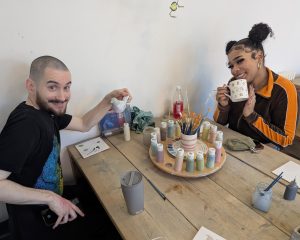
Reflections from our Queer Peer Support Group At 1625 Independent People, our monthly Queer Peer Support sessions create space for LGBTQ+ young people to come together, connect, and simply be themselves. Sometimes that looks like deep conversations about identity and belonging. Sometimes it’s painting nails, chatting about films, laughing about internet trends, or sharing frustrations […]
-
 11th May 2026
At 20 years old, Kay McMichael has already experienced more challenges than many people face in a lifetime. From growing up around addiction and spending time in care, to navigating years of being misunderstood by mental health services, Kay’s journey has been shaped by resilience, survival, and determination to keep going, even during the hardest moments. […]
-
 13th April 2026
What does it really mean to partner with a charity? For the organisations we work with at 1625 Independent People, it goes far beyond fundraising. It’s about shared purpose, real human connection, and creating lasting change for young people facing homelessness. Through our Stronger Together campaign, we spoke to five of our incredible corporate partners to understand what these partnerships look like in practice, and why they […]
-
 13th February 2026
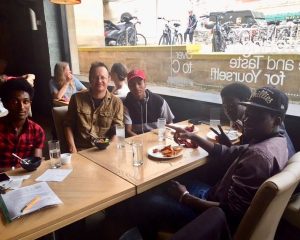
Since January 2016, the Asylum and Refugee team at 1625 Independent People has supported 95 young men from 13 different countries, including Afghanistan, Syria, Iran, and Sudan. Of these, 71 young people have successfully been granted Leave to Remain in the UK, many after complex and challenging asylum processes. This year marks 10 years of supporting young […]
 English
  French
  Arabic
  Polish
  Chinese
  Urdu
Urdu  Pashto
  Kurdish