
Pride, Identity and Finding Your People
Reflections from our Queer Peer Support Group
At 1625 Independent People, our monthly Queer Peer Support sessions create space for LGBTQ+ young people to come together, connect, and simply be themselves.
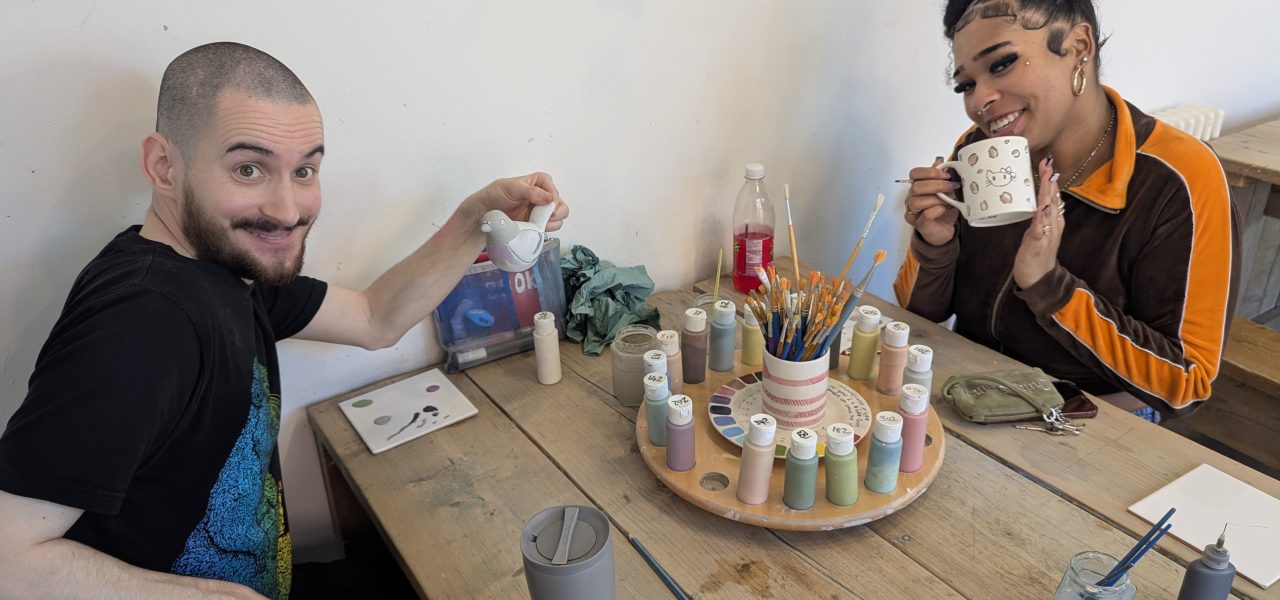
Sometimes that looks like deep conversations about identity and belonging. Sometimes it’s painting nails, chatting about films, laughing about internet trends, or sharing frustrations and experiences that others in the room instantly understand.
This Pride Month, we wanted to share some reflections from a recent session, where young people spoke honestly about identity, acceptance, community and what Pride means to them.
What emerged wasn’t one single experience, but a reminder that being LGBTQ+ can mean very different things to different people, and that having spaces where young people feel safe to explore that matters deeply.
“Find your people.”
One of the strongest themes throughout the conversation was the importance of community and finding people who understand and support you.
When asked what advice they would give to another young person struggling with identity or confidence, the answer came quickly:
“Find your people.”
Another young person added:
“Find people that can support you.”
For some, supportive spaces and friendships have made a huge difference in feeling accepted and less alone.
One young person spoke about finding belonging through queer community groups in Bristol:
“I have [found spaces where I belong]… find people who get you.”
Another reflected on how much it meant to have a foster carer who spoke openly and naturally about sexuality without judgment:
“She never made me feel like it’s not right… she made me realise that it’s not that deep.”
These moments of acceptance, whether from carers, friends or community spaces, can have a lasting impact.
Pride means different things to different people
When the group discussed Pride Month, there wasn’t one shared answer.
For some, Pride meant freedom and acceptance in everyday life.
One young person reflected:
“It’s not really a thing I have to fight for.”
Others spoke more broadly about visibility, understanding, and the ways LGBTQ+ experiences are still often misunderstood or questioned.
One young person shared a very relatable everyday experience:
“Every time there’s a form and they only have a binary gender option, I’m just like, ‘What do I even put?’”
This reflects a wider challenge around systems and language not always keeping up with people’s lived realities.
At the same time, conversations also touched on experiences of judgment, stereotypes and feeling misunderstood, including within families, friendships and wider society.
One young person reflected on how identity can be shaped by the world around us:
“When you look at everything through a heteronormative lens, anything close to equality looks abnormal.”
But alongside those frustrations was also humour, warmth and connection, the kind that comes from being in a room where people can speak openly without fear of judgment.
Between serious conversations were debates about films, jokes about trends, nail art discussions, and moments of reassurance between friends.
That balance matters too.
Why spaces like this matter
Queer Peer Support sessions aren’t about having all the answers.
They’re about creating space where young people can talk honestly, meet others with shared experiences, and feel accepted exactly as they are.
Pride Month can be celebratory, emotional, complicated, joyful, or all of those things at once.
What this conversation reminded us is that every young person deserves spaces where they can explore identity safely, build confidence, and know they are not alone.
As our young people put it: “Find your people.”
-
 11th May 2026
At 20 years old, Kay McMichael has already experienced more challenges than many people face in a lifetime. From growing up around addiction and spending time in care, to navigating years of being misunderstood by mental health services, Kay’s journey has been shaped by resilience, survival, and determination to keep going, even during the hardest moments. […]
-
 13th April 2026
What does it really mean to partner with a charity? For the organisations we work with at 1625 Independent People, it goes far beyond fundraising. It’s about shared purpose, real human connection, and creating lasting change for young people facing homelessness. Through our Stronger Together campaign, we spoke to five of our incredible corporate partners to understand what these partnerships look like in practice, and why they […]
-
 16th March 2026
For Neurodiversity Celebration Week, we asked young people connected to 1625 Independent People to share what being neurodivergent means to them. Neurodiversity recognises that people experience and interact with the world in different ways. For many young people, it can shape how they learn, communicate, manage everyday tasks, and understand themselves. Through their reflections, young people […]
-
 13th February 2026
Since January 2016, the Asylum and Refugee team at 1625 Independent People has supported 95 young men from 13 different countries, including Afghanistan, Syria, Iran, and Sudan. Of these, 71 young people have successfully been granted Leave to Remain in the UK, many after complex and challenging asylum processes. This year marks 10 years of supporting young […]
 English
  French
  Arabic
  Polish
  Chinese
  Urdu
Urdu  Pashto
  Kurdish