
What Does Christmas Mean to You?
Young People Share Their Experiences of the Festive Season
For many people, Christmas is a time filled with warmth, family traditions, and a sense of belonging. It’s a season that often brings to mind home-cooked meals, shared memories, and the comfort of being surrounded by loved ones.
But for many young people facing homelessness, Christmas can highlight the very things they are missing, security, family connection, stability, and home. This year, we wanted to shine a light on the realities of the festive season from the perspective of young people who have experienced homelessness.
We spoke with five young people supported by 1625 Independent People and asked them what Christmas truly feels like. Here’s what they had to say.
Christmas and Home: What Does Christmas Mean to You?
For some young people, Christmas brings mixed emotions, moments of connection but also painful reminders of fractured relationships.
JJ, who now has stable housing after leaving a toxic home environment, described Christmas as something he continues to navigate carefully:
“Every year I’ve spent a bit of time with my family, but I keep it to a minimum. I think it’s important to stay in touch, even when it’s hard. But going back can be really difficult, there’s a lot of judgement. They only see what you can’t do, not what you can.”
For others, Christmas feels unfamiliar or even painful.
Danni told us simply:
“Painful, weird, sad. Being alone on my own for the first time.”
Alfie shared that Christmas doesn’t carry much meaning for him at all:
“Not much. I don’t consider it, I don’t feel festive.”
And for some, like Laticia, Christmas still holds happy memories, but the day-to-day challenges make the season more complicated:
“Christmas has always been lovely for me, I’ve always gone to my Nan’s. But being on my own now, financially it’s a struggle.”
Avery summed up the feeling of watching Christmas unfold around her while not fully feeling part of it:
“You see everyone at the Christmas market with their families, having a hot chocolate… and you just don’t have that. It’s sad because it’s the one time of year you’re supposed to feel happy and safe, and you just don’t.”
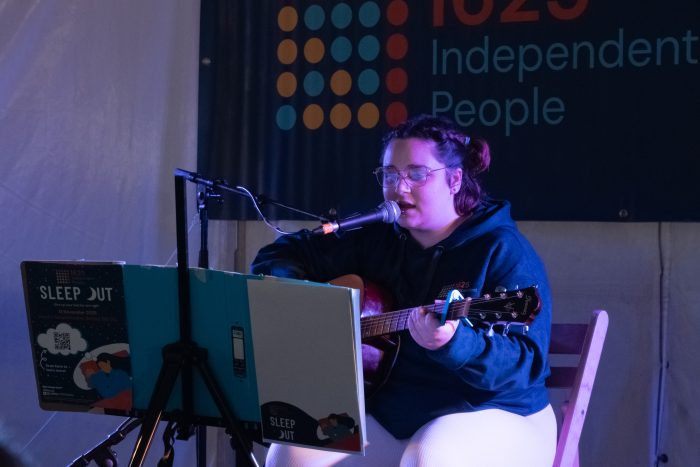
Challenges at Christmas: What Do Young People Face That Others Might Not Realise?
One of the strongest themes that emerged was loneliness. For many, Christmas magnifies the sense of being on their own.
As Danni put it, “The loneliness. And having no money.”
Financial pressure was another recurring challenge, with young people feeling the weight of a season so centred on spending. Laticia described how difficult this can become:
“Financially I struggle. I have to go to the foodbank, and Christmas gets me down when it comes to money.”
Housing insecurity adds an additional layer of stress. Even when accommodation is available, it doesn’t always provide the stability or emotional space young people need. JJ reflected on this reality:
“People think if you have somewhere to sleep, you’re okay, but you’re not. You need space to figure things out, and emergency accommodation is only a stepping stone.”

For others, the pressure to “join in” with Christmas traditions can deepen feelings of shame, especially when they’re separated from family or unable to celebrate in the same way as their peers. Alfie explained how this can feel:
“Self-isolation becomes normal. There’s a lot of shame that comes with being away from family.”
The Emotional Impact: How Does It Feel Seeing Others Celebrate?
Seeing others enjoy Christmas, whether in person or online, can bring up complicated and often painful feelings for young people who don’t have the same stability.
For Alfie, it can feel “pretty deflating,” especially when “it’s always difficult to process the jealousy.”
Danni shared a similar experience, describing how “it’s depressing seeing everyone with their families. It doesn’t feel fair.”
Avery spoke about the deeper emotional weight behind these moments.
“All you want is a stable home. Not just for Christmas, for every day. You feel jealous, and then sad. Sometimes you remind yourself it could be worse, but it still hurts.”
JJ reflected on how social media can intensify these feelings, creating a painful sense of comparison:
‘’You can have a lot of resentment seeing other people celebrate Christmas. Thinking ‘everyone else has what I don’t have’ or ‘it has worked out for them, why not me’ Like looking at social media and everyone else’s life is good, but not yours. The overall feeling is sadness.”
Positive Support: How Does 1625ip Help During the Festive Season?
Amid the difficulties, young people also spoke about the support that makes Christmas feel a little brighter. Activities, shared meals, and a sense of community all help bring comfort.
Laticia shared:
“It’s good for me to go out and do things, like cooking. It helps me be more social.”
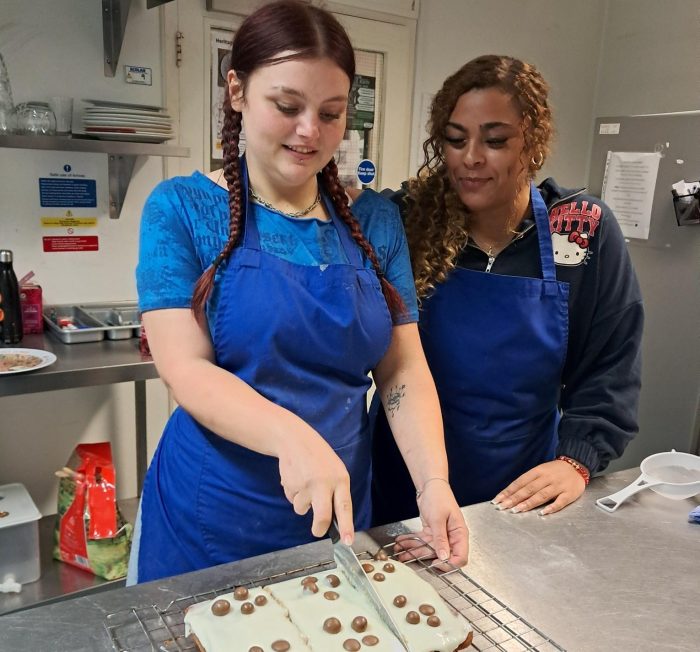
Avery highlighted how even small gestures make a big difference: “Last year we got a mini roast dinner in a little bag. We get food donations that help it feel like Christmas. And with 1625, there’s always something going on, it still feels nice and Christmassy.”
Danni told us how important consistent support is: “My social worker is amazing, helping me with food banks and things like that.”
Christmas in Three Words
At the end, we asked young people to describe Christmas in just three words. Their answers speak volumes:
- Danni: A foreign experience, lonely, depressing
- Laticia: Unusual, lonely, triggering
- Alfie: Irrelevant, expensive, busy
- Avery: Unfestive, pretty sad, lonely
- JJ: Missing the point
These words capture the complex reality of Christmas for young people facing homelessness, feelings often hidden behind the bright lights and celebrations.
Standing With Young People This Christmas
Before we closed the conversation, Avery shared something that stayed with all of us:
“I think people need to look out for young people who are homeless more, especially around Christmas, because it’s cold. Really cold. Some people are sleeping outside shops with nothing but a tiny blanket. If you go back to the real meaning of Christmas, it’s about looking out for others. That’s what matters, and I think a lot of us have forgotten that.”

At 1625 Independent People, we strive to ensure no young person feels forgotten during the festive season. From shared dinners and donated gifts to warm spaces and one-to-one support, we help create moments of comfort and connection when they’re needed most.
With your support, we can continue to be there for young people during Christmas time and beyond the holiday season.

-
 1st June 2026
Reflections from our Queer Peer Support Group At 1625 Independent People, our monthly Queer Peer Support sessions create space for LGBTQ+ young people to come together, connect, and simply be themselves. Sometimes that looks like deep conversations about identity and belonging. Sometimes it’s painting nails, chatting about films, laughing about internet trends, or sharing frustrations […]
-
 11th May 2026
At 20 years old, Kay McMichael has already experienced more challenges than many people face in a lifetime. From growing up around addiction and spending time in care, to navigating years of being misunderstood by mental health services, Kay’s journey has been shaped by resilience, survival, and determination to keep going, even during the hardest moments. […]
-
 13th April 2026
What does it really mean to partner with a charity? For the organisations we work with at 1625 Independent People, it goes far beyond fundraising. It’s about shared purpose, real human connection, and creating lasting change for young people facing homelessness. Through our Stronger Together campaign, we spoke to five of our incredible corporate partners to understand what these partnerships look like in practice, and why they […]
-
 16th March 2026
For Neurodiversity Celebration Week, we asked young people connected to 1625 Independent People to share what being neurodivergent means to them. Neurodiversity recognises that people experience and interact with the world in different ways. For many young people, it can shape how they learn, communicate, manage everyday tasks, and understand themselves. Through their reflections, young people […]
 English
  French
  Arabic
  Polish
  Chinese
  Urdu
Urdu  Pashto
  Kurdish