Anti-Harassment and Bullying, and Anti-                    Social Behaviour


1625 is committed to making sure all young people and colleagues are free from threat, harassment, and intimidation. Everyone has the right not to be harassed, bullied, or victimised.

We will not tolerate harassment or bullying in any form. Action will be taken against anybody – employee, a person using any of our services, visitor, contractor, or Board member – who is found to have been causing harassment.

What is harassment, bullying, and anti-social behaviour?

Harassment, bullying, and anti-social behaviours are different terms used to describe abusive behaviours that are unwelcome, harmful, and offensive to another person. These behaviours might be repeated, or a one-off, and could happen online (cyber) or in real life.

What you can do if you are suffering from any form of bullying, harassment, or anti-social behaviour.

LET US KNOW – It is not acceptable for it to happen to you or anyone else. All incidents should be reported. You can report an incident to any 1625 worker – they might work in your service or be a coach or EET worker from another 1625 service. If you feel unable to do this, you can ask how to contact a manager, director, or board member at 1625. 1625ip Contact Information

For support from other agencies please see the ‘Useful Contacts‘ section.

What can happen if someone is causing bullying, harassment or anti-social behaviour

• Where harassment is caused by someone living in one of our properties, and is serious or persistent, we may as a last resort take action to end the tenancy/licence

• In serious cases of harassment police action or legal proceedings may be necessary to protect people using our services, employees, or any other person suffering from harassment

It is important to understand that YOU are held responsible for any nuisance or harassment caused by your visitors, so you need to think about who you let come round to your place and make sure they respect your home, as it’s your accommodation on the line.

Below is some more information about what bullying, harassment and anti-social behaviour can look like. If you think this is happening to you, please get help.

If you are not sure about what is happening to you, try taking our self assessment quiz.

Bullying, harassment and anti-social behaviour

Bullying is offensive, intimidating, malicious or insulting behaviour that can make a person feel vulnerable, upset, humiliated, undermined or threatened.

Examples of bullying behaviour include:

  • Making hurtful or false comments about someone• Deliberately excluding people from groups, conversations or online spaces• Moving or damaging people’s personal belongings• Physical threats or intimidation

If you are experiencing, or have experienced bullying, report to the police, talk to us or seek help & advice online.

Harassment is any unwanted physical, verbal, or non-verbal conduct which has the purpose or effect of violating a person’s dignity or creating an intimidating, hostile, degrading, humiliating or offensive environment for them.

Harassment can look similar to bullying, but describes a persistent pattern of abusive behaviour, whereas bullying can be a one-off event.

If you are experiencing, or have experienced harassment, report to the police, talk to us or seek help & advice online.

Antisocial behaviour is defined as ‘behaviour by a person which causes, or is likely to cause, harassment, alarm or distress to persons not of the same household as the person’ (Antisocial Behaviour Act 2003).

If you are experiencing, or have experienced anti-social behaviour, report to the police, talk to us or seek help & advice online.

A racist incident is any incident which is perceived to be racist by the victim or any other person. Racial harassment may be because of:

• A person’s race

• Colour

• Nationality

• Ethnic or national origins

If you are experiencing, or have experienced racial harassment, report to the police, talk to us or seek help & advice online.

Hate crime is any incident which involves a criminal offence which the victim or any other person feels is motivated by prejudice or hatred of someone because of their: –

  • Race
  • Colour
  • Ethnic or national origin
  • Nationality
  • Religion
  • Gender
  • Gender identity
  • Sexual orientation
  • Disability

The following are some examples of racial harassment and hate crime:

  • Physical assault or threats
  • Damage to property or attempted arson
  • Offensive graffiti, letters, and posters
  • Abusive or obscene telephone calls
  • Verbal or written abuse or insults

If you are experiencing, or have experienced hate crime, report to the police, talk to us or seek help & advice online.

Sexual harassment is any kind of abuse or inappropriate behaviour directed at a person because of their gender or sexual orientation.  Abuse can take many forms:

  • Physical – e.g., Unwanted touching, other physical contact, violence
  • Spoken – e.g., insulting, or embarrassing jokes or comments
  • Written – e.g., insulting cartoons, pictures, letters, e-mails

If you are experiencing, or have experienced sexual harassment, report to the police, talk to us or seek help & advice online.

Technology facilitated abuse is any abusive behaviour which involves the use of technology. Examples include:

• Posting offensive or untrue comments on social media

• Using someone else’s online accounts without permission

• Sharing intimate images of someone without their consent

• Installing spyware on devices

• Using airtags or location tracking to cyberstalk someone

If you think you are experiencing technology facilitated abuse, report to the police, talk to us or seek help & advice online.

We want to hear about young people’s experiences of bullying or abuse via technology.

We will use what you tell us to develop training and resources to help young people who experience this type of abuse in future.
• Have you experienced someone sending constant messages that upset you?
• Has someone posted about you online or threatened to share images?
• Have you been pressured to share your messages or phone?
• Has someone else used your online accounts and passwords without permission?

If so, you could be experiencing technology-facilitated abuse (TFA). This is a crime and there is support available – please talk to your keyworker if you need support with a current situation, or contact TRreferrals@1625ip.co.uk

Our questionnaire has 4 multiple-choice questions to help us understand more about your experience. You can also opt to give us your contact details if you would like to speak with a trained advisor in more detail.

Thank you – with your help, we can end the misery caused by this type of abuse.

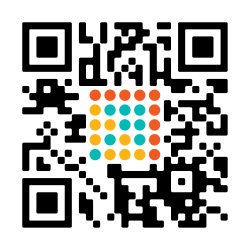
You can also access the survey via this QR code.

What can I do?

Talk to someone you trust – a friend, your keyworker, or you can call one of the helplines below.

• Keep a record of what is happening
• Don’t retaliate, report
• Spend your time with people who make you feel good
• Don’t blame yourself
• Be proud of who you are

Anti Bullying Alliance 03003230169 – lines open 9-5 Monday to Friday, 10-12 Saturday
• Childline 08001111 – free call: lines open 24 hours a day, 7 days a week
• Samaritans – 116123 – free call: lines open 24 hours a day, 7 days a week
• Kooth – free online counselling support (sign up required) Home – Kooth

If you think you are being bullied, harassed or abused, it is useful to keep a record of what has happened to you. It will help you to see whether things are getting worse, and provide evidence if you ever need to report to the police.
• Make a note of the date and time, and what happened.
• Keep a record of how it made you feel, and anything you had to do differently because of the incident.
• Keep your notes somewhere safe, where they can’t be accessed by anyone else.
• If the abuse is online, take screenshots or use a second phone to photograph or record what is happening. Don’t delete abusive messages as they could be used as evidence.
• The free app Bright Sky has a secure journal feature which you can use to keep your notes safe.

If you are being bullied or abused, it is natural to want to respond. However, this will often cause the abuser to escalate their abuse, causing you more distress – so it is not recommended. Instead:
• Record what is happening
• If the abuse is online, report it to the platform. This website can help you do this.
• Report to the police, using 101 or the online reporting form here
• If anyone is in immediate danger, call 999

Spending time with people who make you feel good is important. But if you don’t have good people around you in your life right now, don’t despair. You can still practise being kind to yourself. See our Self Compassion guide here.

Bullying and abuse can make us question our sense of self. Remembering who you are and what is important to you can help you to rebuild your confidence and feel good about yourself.

Try making a list of your strengths by thinking about how your best friend would describe you. Or you could try this free online values exercise to help you think about what is most important to you.

Remember, you are unique and amazing, and no one can take that away from you.

What kind of things should I report to the police?
• A threat to a person’s life, safety or property
• Intimate image abuse (revenge porn)
• Fraud
• Targeting of specific individuals, including persistent harassment and ongoing abuse
• Breach of court orders, including identifying people protected by law
• Online content which is grossly offensive, indecent, obscene or false and of a malicious nature
• Sextortion– online blackmail where someone threatens to share private sexual images/videos of you unless you do something for them (share more photos or pay ransom)
If you need support with reporting to the police, please talk to your keyworker or another 1625ip worker. We can help you.
• You can report to the police by calling 101, or use the online reporting form here
• You can go to a police station and ask to talk to someone in person
• If anyone is in immediate danger, call 999