

1625ip explore the MSHED’s Colston Display
A group of young people from 1625ip and two workers, Grace and Zoe, took a trip to see the Colston display at MSHED. We wanted to see how the event the summer before had been interpreted, start a discussion on what a project like this can evoke in our thinking and have chance to chat about our own reactions to the display and it’s significance.
On a hot day we took our time exploring the display, allowing ourselves time and space to react and share our feelings. Some of us knew a lot about the event, the work behind the display and what we thought about it already and for some of us it was new territory. However, something like this affects us all, it’s linked to our lives and experiences, no matter how much we do or don’t know about what happened and this became clear as we started to talk about how it made us feel.
you can see a 3d version of the display here:
The Colston statue: What next? (theasys.io)
But you can also book in to the MSHED to see it, while it is still on!
Some of the things we discussed following the visit to this exhibition included; whether it told the story of what happened last summer well and the reasons behind it, what we thought about racism and the historical issues around it in Bristol and how we can discuss it, what stories we think are important to share and how we would want to share our stories. Quotes from the young people can be found below.
‘Exhibitions can hold things we don’t like- but they make us engage with the issues, you need to learn, to grow, to get common sense.’
‘Everyone’s story is valuable, every life and opinion is different.’
‘You can’t fault people for not knowing what it is like to be a young homeless person.’
‘Is Bristol really a progressive city? From outside people think it is ‘woke’ and has a progressive reputation. What is the reality?’
‘ I want to know what the silent observers think of Bristol. What did the trees see? What has nature witnessed?’
‘I want to tell the stories of the parts of Bristol that are missed out, the geographical areas people don’t talk about.’
-
 1st June 2026
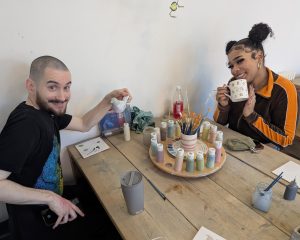
Reflections from our Queer Peer Support Group At 1625 Independent People, our monthly Queer Peer Support sessions create space for LGBTQ+ young people to come together, connect, and simply be themselves. Sometimes that looks like deep conversations about identity and belonging. Sometimes it’s painting nails, chatting about films, laughing about internet trends, or sharing frustrations […]
-
 11th May 2026
At 20 years old, Kay McMichael has already experienced more challenges than many people face in a lifetime. From growing up around addiction and spending time in care, to navigating years of being misunderstood by mental health services, Kay’s journey has been shaped by resilience, survival, and determination to keep going, even during the hardest moments. […]
-
 13th April 2026
What does it really mean to partner with a charity? For the organisations we work with at 1625 Independent People, it goes far beyond fundraising. It’s about shared purpose, real human connection, and creating lasting change for young people facing homelessness. Through our Stronger Together campaign, we spoke to five of our incredible corporate partners to understand what these partnerships look like in practice, and why they […]
-
 16th March 2026
For Neurodiversity Celebration Week, we asked young people connected to 1625 Independent People to share what being neurodivergent means to them. Neurodiversity recognises that people experience and interact with the world in different ways. For many young people, it can shape how they learn, communicate, manage everyday tasks, and understand themselves. Through their reflections, young people […]
 English
  French
  Arabic
  Polish
  Chinese
  Urdu
Urdu  Pashto
  Kurdish